Symptoms of Polio
There are different types of polio such as non-paralytic polio and paralytic polio. They then divide into different polio. They are :
-Spinal Polio- affects motor neurons which in this case affects the spinal cord and can paralyse legs and arms and causes problems with breathing.
-Bulbar Polio- affects neurons that control for seeing, breathing, tasting, and swallowing
-Bulbospinal- both spinal and bulbar
Non-paralytic symptims include:
- Flu-like symptoms
- Fever
- Sore throat
- Headache
- Vomiting
- Fatigue
- Back and neck pain
- Arm and leg pain
- Muscle tenderness
- Muscle spasms
- Meningitis
Paralytic symptoms include:
- Similar to non-paralytic symptoms
- Loss of mscle reflexes
- Severe muscle pain + spasms
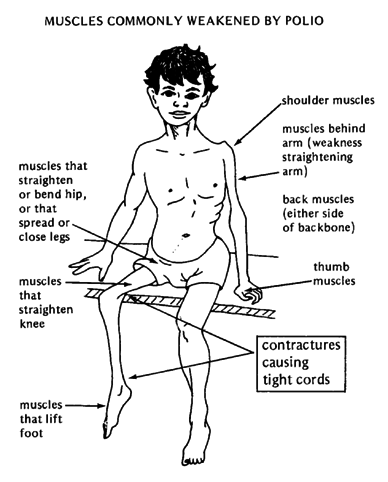
- Looose/floppy limbs (often worse on one side of the body)
- abnormalsensation
- Breathing difficulty
- Urinary Retention
- Constipation
- Drooling
- Mood swings
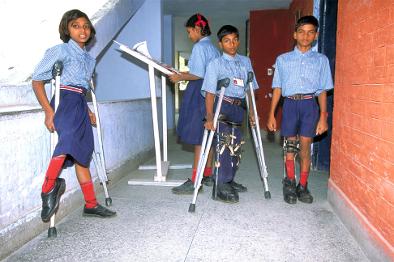
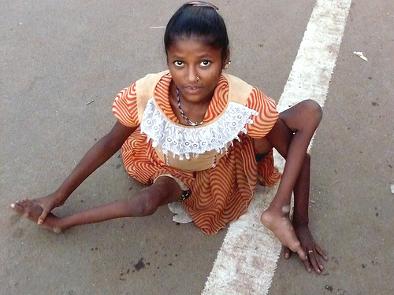
- Paralysis
Causes of Polio
There is only one cause of polio, which is poliovirus. Poliovirus is a higly contagious virus to humans. The virus enters through the environment of the faeces (poo) of an infected person. It can enter through any area with bad senatation. It can enter through food-poisoning and contaminated water. Poliovirus can usually enter through the fecal-oral route. Poliovirus infects human cells by binding to an immunoglobin-like (large Y shape protein) receptor. Attached to the host cell membrane, entry of the viral nucleic acid was thought to occur one of two ways: via the formation of a pore in the plasma membrane through which the ribonucleic acid (RNA) is then “injected” into the host cell cytoplasm, or that the virus is taken up by receptor- mediated endocytosis (process in which cells internalise molecules.
What are the Body Systems affected by this disease?
Polio affects all body systems:
- Digestive
- Circulatory
- Respiratory
- Excretory
- Hormonal
- Nervous
- Muscular
- Skeleton